 tomtop
Tomtop: Think About Proprietary OS Tablets
In the realm of portable working frameworks, Android is known as the "freest" choice accessible right now on account of its open source roots.
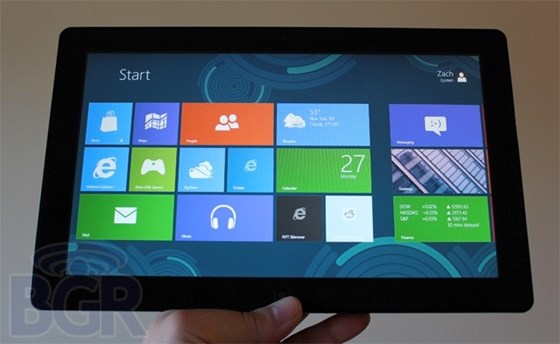
Windows OS found on tablets is an indistinguishable one from finding on their portable workstation and desktop partners. Different Windows versions are introduced on tablets going from Home to Professional.
On the opposite side of the coin are exclusive working frameworks, which are secured and controlled by the organizations that possess them. There are in reality more exclusive portable stages available right now, and keeping them all straight can be confounding. Here's a fast summary of the significant contenders at the display.
Apple iOS
On the off chance that you've at any point utilized an iPhone, an iPod Touch or an iPad, you've encountered the smooth ponder that is iOS. Since the introduction of the first iPhone quite a long while prior, iOS has relentlessly enhanced and added to its list of capabilities and enhanced its execution. The most recent emphasis of Apple's leader working framework, iOS 5, brags enhanced multitasking, the new Siri advanced colleague and better help for illustrations and media. The iOS stage is best known for its steadiness and responsiveness and hints at no slipping at any point in the near future.
Blackberry QNX
Research in Motion has been depending on their BlackBerry OS 7 for a short time now, and the head honchos at Canada's greatest innovation firm understand it's the ideal opportunity for a change. Their up and coming dish versatile working framework, BlackBerry 10, is a totally patched up go up against the portable OS in light of QNX. In case you're not acquainted with the fundamental programming, QNX is a working framework effectively utilized as a part of switches, switches and other system foundation segments all through the Enterprise world. It would already be able to be found in real life in RIM's Playbook OS, accessible on tablets like the Playbook and the Playbook 2.0. You can expect the QNX-based BlackBerry 10 to take off as a group later on in 2012.
HP WebOS
Initially created by the now ancient Palm, Inc., WebOS is a versatile working framework in light of Linux which is kept up by HP. In the not so distant past, HP had enormous plans to enter the versatile market by taking off tablets and telephones that ran their own particular working framework. While they've since changed their concentration to supporting Windows 7 and Windows 8, WebOS stays in dynamic improvement. The latest variant, HP WebOS 2.0, offers a smart and fit tablet encounter for clients and keeps running on gadgets like the HP Touchpad. In spite of the fact that it does not have the name acknowledgment of Android or iOS, HP's WebOS remains a practical possibility for the individuals who need to get the most out of their versatile equipment.
The Final Word
There's a developing level headed discussion in the product world on the feasibility of restrictive working frameworks versus open source programs. Open source programming like Android, Linux and other striking stages unquestionably have their points of interest, and it stays to be seen which approach will at last win out. The working frameworks recorded above demonstrate that restrictive frameworks can be similarly as full-highlighted and flexible as open source rivals in the correct hands. Notwithstanding what the future brings, Blackberry QNX, iOS and WebOS 2.0 will keep on being alluring portable working framework alternatives for the present.
Comments: 0
There are no comments yet, be the first to write a comment!